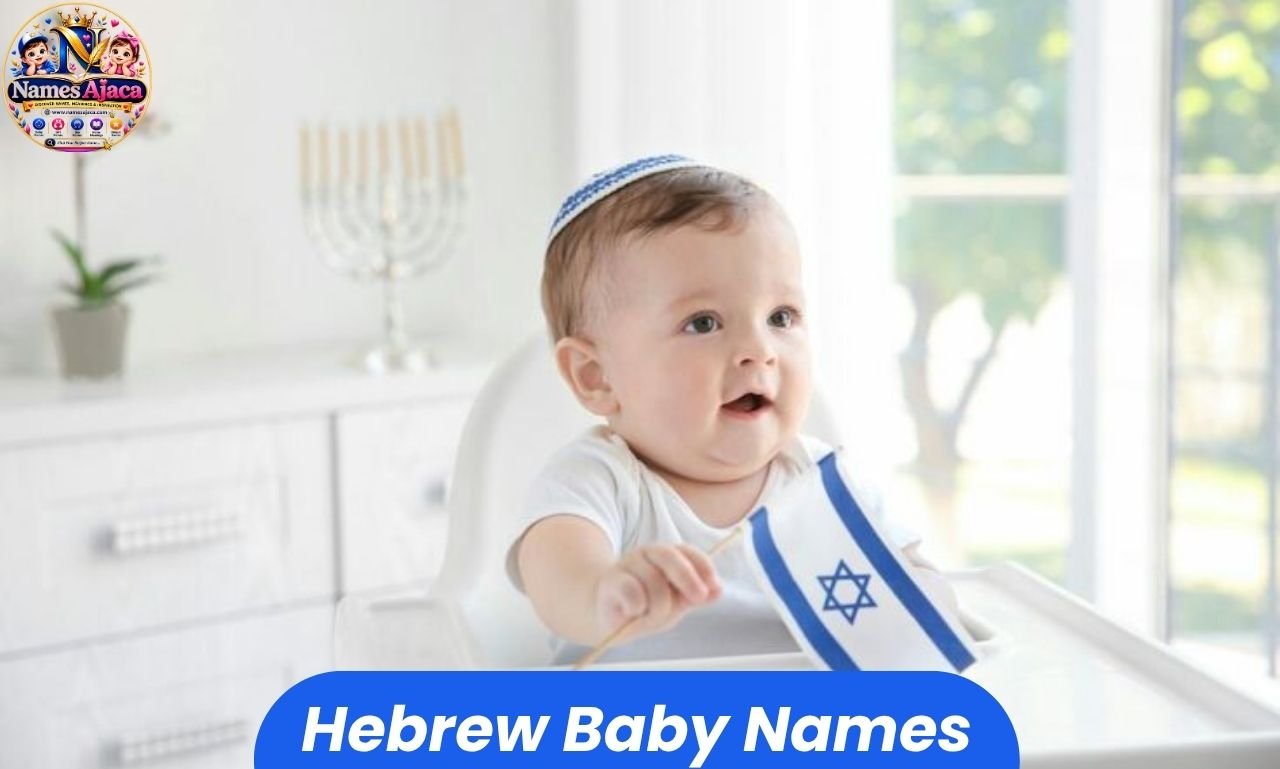
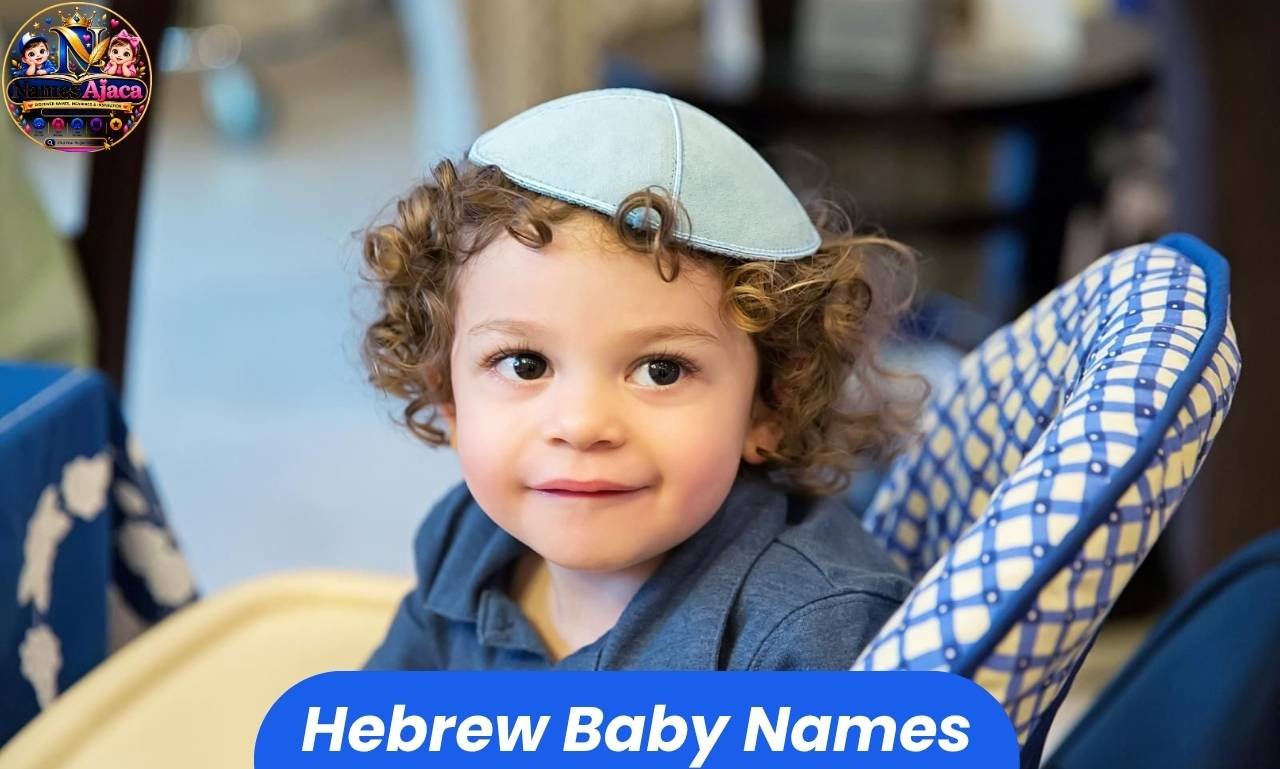
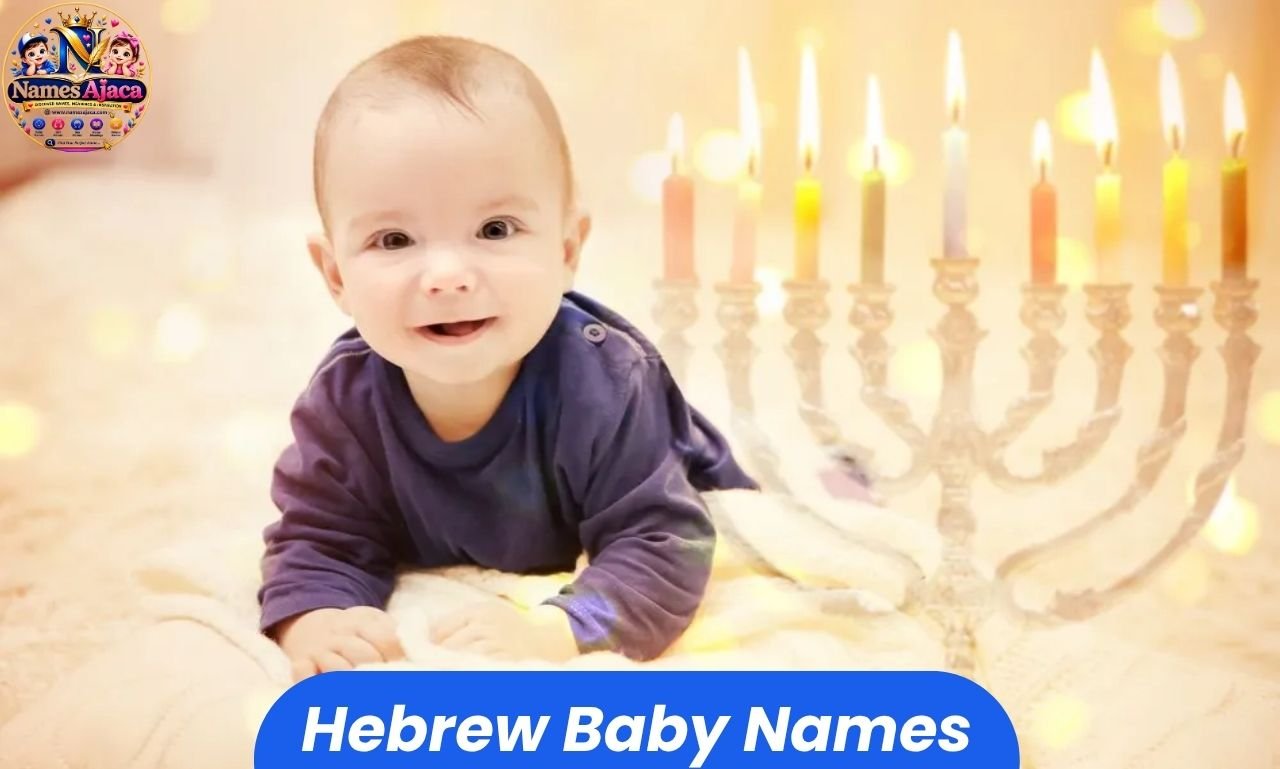
Hebrew baby names offer a beautiful combination of meaningful words, rich history, and timeless appeal. From familiar biblical names such as Noah, Sarah, and Daniel to modern Hebrew favorites such as Lior, Noa, and Eitan, these names give parents many ways to honor tradition while finding a name that feels personal.
Many Hebrew names are associated with ideas such as light, peace, joy, strength, and faith. Others come from nature, Hebrew vocabulary, or important figures in biblical stories. Some are widely recognized in the United States, while others may feel distinctive to English-speaking families.
Whether you are looking for Hebrew baby names for a boy, a girl, or a gender-neutral option, this guide includes meaningful choices, pronunciation tips, nickname ideas, middle-name combinations, and practical advice. You will also find traditional biblical names alongside modern options to help you choose a name that suits your family’s preferences.
What Are Hebrew Baby Names?
Hebrew baby names are names that originate in the Hebrew language or have a strong connection to Hebrew naming traditions. Many appear in the Hebrew Bible, while others come from everyday Hebrew words, Jewish history, or modern Israeli naming practices.
Some names have relatively clear linguistic meanings. For example, Or means “light,” Shalom means “peace,” and Tamar means “date palm.” Other ancient names have debated etymologies, so their meanings should not always be presented as certain.
Hebrew names are also used by people from different religious and cultural backgrounds. Names such as Noah, Daniel, David, and Abigail have become familiar internationally, while other names retain a more distinctly Hebrew sound or spelling.
When choosing a name, it helps to distinguish three things: its original linguistic meaning, its historical or biblical associations, and its modern cultural use. These details can overlap, but they are not always identical.
Hebrew Baby Names for Girls
Hebrew girl names range from traditional biblical choices to short, contemporary names. The following options offer a variety of meanings, sounds, and styles.
| Name | Meaning or association | Style |
| Abigail | My father is joy | Classic |
| Adina | Delicate or gentle | Elegant |
| Ahava | Love | Meaningful |
| Avigail | Hebrew form of Abigail | Traditional |
| Batya | Daughter of God | Traditional |
| Chava | Hebrew form of Eve; associated with life | Biblical |
| Dalia | Associated with a branch or bough in Hebrew | Nature-inspired |
| Devorah | Bee | Biblical |
| Eden | Delight or pleasure; also associated with the Garden of Eden | Modern |
| Elisheva | God is my oath | Biblical |
| Esther | Name of the biblical queen; deeper etymology is debated | Classic |
| Hadassah | Myrtle tree | Biblical |
| Hannah | Favor or grace | Timeless |
| Ilana | Tree | Nature-inspired |
| Jael | Mountain goat or ibex | Biblical |
| Judith | Traditionally associated with a woman of Judea | Classic |
| Leah | Biblical name with uncertain etymology | Timeless |
| Liora | My light | Elegant |
| Michal | Biblical name with uncertain etymology | Classic |
| Miriam | Biblical name with debated etymology | Traditional |
| Naama | Pleasantness | Gentle |
| Noa | Hebrew name used for girls | Short and modern |
| Or | Light | Minimalist |
| Rachel | Ewe | Biblical |
| Rivka | Hebrew form of Rebecca | Traditional |
| Shira | Song | Modern |
| Shoshana | Lily or rose in traditional interpretations | Floral |
| Tamar | Date palm | Nature-inspired |
| Talia | Often interpreted as dew of God | Elegant |
| Yael | Mountain goat or ibex | Strong |
Classic Hebrew Girl Names
Classic Hebrew girl names are ideal for parents who value history, cultural continuity, and names that have remained recognizable over generations.
- Sarah: A major biblical name traditionally interpreted as “princess.”
- Rebecca: An English form of Rivka, a prominent name in Genesis.
- Rachel: A biblical name meaning “ewe.”
- Esther: The name of the central figure in the biblical Book of Esther.
- Ruth: A biblical name associated with the story of Ruth and Naomi.
- Hannah: A Hebrew name meaning “favor” or “grace.”
- Deborah: The English form of Devorah, meaning “bee.”
- Elizabeth: An English name related to the Hebrew Elisheva, meaning “God is my oath.”
- Miriam: The name of Moses and Aaron’s sister in the biblical narrative.
- Judith: A traditional name associated with the biblical figure Judith.
These names can work well for parents who want a name with an established history and a recognizable form in English.
Modern Hebrew Girl Names
Modern Hebrew names can feel fresh and concise while retaining meaningful linguistic or cultural connections.
- Liora: My light.
- Noa: A short Hebrew name used for girls.
- Shira: Song.
- Ilana: Tree.
- Neta: Plant or seedling.
- Or: Light.
- Aviv: Spring; used for different genders.
- Talia: Often interpreted as dew of God.
- Zohar: Radiance or brilliance; used for different genders.
- Lior: My light; also used as a unisex name.
- Ahava: Love.
- Naama: Pleasantness.
If you want to compare Hebrew options with names from other backgrounds, explore these unique girl names for additional inspiration.
Hebrew Baby Names for Boys
Hebrew boy names include biblical classics, short modern choices, and names connected to strength, wisdom, light, or faith.
| Name | Meaning or association | Style |
| Aaron | English form of Aharon; original meaning uncertain | Classic |
| Adam | Man or humankind | Timeless |
| Asher | Happy or blessed | Warm |
| Benjamin | Traditionally interpreted as son of the right hand | Biblical |
| Caleb | Biblical name with debated etymology | Strong |
| Daniel | God is my judge | Classic |
| David | Beloved | Timeless |
| Eitan | Hebrew form of Ethan; firm or enduring | Modern |
| Eli | My God | Short |
| Elijah | My God is Yahweh | Biblical |
| Eliezer | My God is help | Traditional |
| Ezra | Help | Classic |
| Gabriel | God is my strength | Traditional |
| Gideon | Biblical name with debated etymology | Strong |
| Isaac | He laughs or he will laugh | Timeless |
| Isaiah | Salvation of Yahweh | Biblical |
| Jacob | Biblical name traditionally associated with heel-holder or supplanter | Classic |
| Jonah | Dove | Gentle |
| Joseph | He will add | Timeless |
| Levi | Joined or attached | Modern classic |
| Micah | Who is like Yahweh? | Meaningful |
| Michael | Who is like God? | Timeless |
| Nathan | He gave | Classic |
| Noah | Rest or comfort | Modern classic |
| Raphael | God heals | Traditional |
| Samuel | Often interpreted as God has heard | Classic |
| Shai | Gift | Short |
| Shalom | Peace | Meaningful |
| Uri | My light | Bright |
| Zev | Wolf | Distinctive |
Strong Hebrew Boy Names
A strong name does not need to mean “powerful” or “warrior” literally. Some parents are drawn to names with associations of courage, resilience, faith, or leadership.
- Eitan: Firm or enduring.
- Gabriel: God is my strength.
- Michael: Who is like God?
- Ezra: Help.
- Zev: Wolf.
- David: Beloved; also associated with the biblical king David.
- Daniel: God is my judge.
- Raphael: God heals.
- Isaiah: Salvation of Yahweh.
- Caleb: A biblical name with an uncertain or debated etymology.
- Gideon: A biblical figure associated with leadership in the Book of Judges.
- Boaz: A biblical name associated with the Book of Ruth.
These names offer different kinds of strength: some through their meanings, others through their historical or religious associations.
Rare and Distinctive Hebrew Boy Names
If you prefer a name that is less familiar in your immediate community, consider these distinctive options. Rarity varies by country, spelling, and generation, so this list is not a verified popularity ranking.
- Amos: Name of a biblical prophet; its exact etymology is debated.
- Boaz: Biblical name associated with the story of Ruth.
- Eliezer: My God is help.
- Ephraim: Traditionally associated with fruitfulness.
- Gershom: Often interpreted as “a sojourner there.”
- Hillel: Praise.
- Ilan: Tree.
- Jair: Traditionally interpreted as “he shines” or “he enlightens.”
- Malachi: My messenger.
- Matan: Gift.
- Nadav: Generous or willing.
- Oren: Pine tree.
- Uri: My light.
- Yair: He shines.
- Yosef: Hebrew form of Joseph.
- Zev: Wolf.
- Ari: Lion.
- Shai: Gift.
- Noam: Pleasantness.
- Yuval: Stream; also associated with a biblical name.
For more naming ideas, browse these rare boy names and compare distinctive choices across styles.
Gender-Neutral Hebrew Baby Names
Some Hebrew names are used for more than one gender, particularly in contemporary Israeli naming. Usage can differ between families and communities, so check the associations that matter to you.
| Name | Meaning or association | Style |
| Ariel | Lion of God | Familiar |
| Aviv | Spring | Fresh |
| Eden | Delight or pleasure | Modern |
| Lior | My light | Bright |
| Noam | Pleasantness | Gentle |
| Or | Light | Minimal |
| Shai | Gift | Short |
| Tal | Dew | Simple |
| Yuval | Stream | Musical |
| Zohar | Radiance or brilliance | Distinctive |
| Gal | Wave | Nature-inspired |
| Neta | Plant or seedling | Modern |
| Chen | Grace or favor | Short |
| Adi | Ornament or jewel | Contemporary |
Gender-neutral use is not universal. For example, a name may be used for different genders in Israel but be perceived differently elsewhere. Consider how the name is used in the community most relevant to your family.
Short Hebrew Baby Names
Short names are easy to remember and can pair well with longer middle or last names. They can also be practical for families who use more than one language at home.
| Name | Meaning or association | Style |
| Ari | Lion | Short and strong |
| Dan | He judged | Classic |
| Eli | My God | Traditional |
| Gal | Wave | Nature-inspired |
| Lev | Heart in Hebrew usage | Simple |
| Noa | Hebrew girl’s name | Modern |
| Or | Light | Minimal |
| Ron | Joy or song, in Hebrew usage | Bright |
| Shai | Gift | Meaningful |
| Tal | Dew | Nature-inspired |
| Yael | Mountain goat or ibex | Distinctive |
| Zev | Wolf | Strong |
When choosing a short name, say it aloud with the surname. A one-syllable first name may sound crisp with a longer surname, while a two-syllable option may create a smoother rhythm.
Hebrew Baby Names Inspired by Light and Nature
Many parents start their search with a particular meaning. Hebrew includes names associated with natural imagery and ideas such as light, peace, and joy.
Hebrew Names Meaning Light
- Or: Light.
- Lior: My light.
- Liora: My light.
- Meir: One who gives light or illuminates.
- Zohar: Radiance or brilliance.
- Uri: My light.
These names may appeal to parents who want a name associated with brightness, hope, or illumination.
Hebrew Names Connected to Nature
- Dalia: Associated with a branch or bough in Hebrew.
- Devorah: Bee.
- Hadassah: Myrtle tree.
- Ilan: Tree.
- Ilana: Tree.
- Neta: Plant or seedling.
- Oren: Pine tree.
- Tamar: Date palm.
- Tal: Dew.
- Zev: Wolf.
- Gal: Wave.
Nature-inspired names can feel meaningful without being overly elaborate. If you prefer a subtle connection to the natural world, names such as Ilan, Ilana, or Tal may be worth considering.
Hebrew Names Associated With Joy, Peace, and Love
- Ahava: Love.
- Asher: Happy or blessed.
- David: Beloved.
- Hannah: Favor or grace.
- Noam: Pleasantness.
- Shalom: Peace.
- Shira: Song.
- Matan: Gift.
- Nadav: Generous or willing.
- Eden: Delight or pleasure.
A name’s meaning can be one way to express a parent’s hopes for a child. However, meanings and etymologies are sometimes interpreted differently across references, especially for ancient names.
Biblical Hebrew Baby Names
Biblical names remain important in many families because they connect a child with familiar stories, religious traditions, and historical figures. Some are used across Jewish and Christian communities, while others have particular significance within specific traditions.
Biblical Names for Girls
- Abigail: A biblical figure known for her wisdom in the Book of Samuel.
- Deborah: A prophetess and judge in the Book of Judges.
- Esther: The queen at the center of the Book of Esther.
- Hannah: The mother of Samuel in the biblical narrative.
- Leah: One of the matriarchs in Genesis.
- Miriam: Sister of Moses and Aaron.
- Rachel: A matriarch in Genesis.
- Ruth: The central figure in the Book of Ruth.
- Sarah: Wife of Abraham in Genesis.
- Tamar: The name of several women in biblical narratives.
Biblical Names for Boys
- Abraham: A patriarch in Genesis.
- Aaron: Brother of Moses and a central figure in the Exodus narrative.
- Daniel: A central figure in the Book of Daniel.
- David: The biblical king associated with Jerusalem.
- Elijah: A prophet in the Hebrew Bible.
- Isaac: Son of Abraham and Sarah.
- Jacob: A patriarch whose story is central to Genesis.
- Joseph: Son of Jacob whose story appears in Genesis.
- Moses: Leader associated with the Exodus story.
- Samuel: A prophet and judge in the biblical narrative.
- Jonah: The prophet associated with the biblical Book of Jonah.
- Micah: A prophet whose name appears in the Hebrew Bible.
A biblical association does not automatically establish a name’s literal meaning. Some meanings are well understood, while others remain debated. If the exact etymology is important to you, treat the historical story and linguistic meaning as separate details.
Traditional Hebrew Names vs. Modern Israeli Names
Hebrew naming traditions include both ancient names and newer choices drawn from everyday Hebrew words, nature, and contemporary culture.
| Naming style | Examples | What characterizes it |
| Traditional biblical | Sarah, David, Rachel, Samuel | Strong scriptural or historical associations |
| Modern Hebrew | Lior, Noa, Eitan, Shira | Often concise and common in contemporary Israeli usage |
| Nature-inspired | Ilan, Ilana, Tamar, Tal | Connected with plants, trees, or natural imagery |
| Meaning-focused | Ahava, Shalom, Matan, Or | Direct associations with love, peace, gift, or light |
| Internationally familiar | Daniel, Michael, Noah, Abigail | Forms widely recognized in English and other languages |
These categories can overlap. A name may have biblical roots and remain popular in modern Israel, or originate in Hebrew while also being familiar to English-speaking families.
Hebrew Baby Names That Work Well in English
Parents in the United States may want a name that honors Hebrew heritage while remaining familiar to English-speaking relatives, teachers, and friends.
Consider these options:
- Adam: A familiar name with Hebrew roots.
- Abigail: An established name in English and Hebrew traditions.
- Daniel: Recognizable across many languages.
- David: Traditional and internationally familiar.
- Eden: Short and familiar in English.
- Ezra: Concise and distinctive.
- Gabriel: Familiar and offers nicknames such as Gabe.
- Levi: Short and easy to spell.
- Miriam: Traditional and recognizable.
- Naomi: A biblical name widely used in English.
- Noah: Familiar and concise.
- Sarah: A long-established English form of a Hebrew name.
Spelling choices can affect pronunciation and cultural associations. For example, Eitan and Ethan are related forms, but families may prefer one spelling to preserve a particular pronunciation or connection. The best option depends on your priorities.
If you are comparing names from different languages, explore these Spanish baby names for more inspiration. Spanish naming traditions include classic, modern, and meaningful choices, making them useful to explore when deciding which name best fits your family’s preferences.
Hebrew Baby Name Pronunciation Tips
Hebrew names may include sounds that are unfamiliar to English speakers. Pronunciation can also vary according to dialect, community, and whether a name is spoken in Hebrew or an English-language context.
Here are some practical approximations:
- Chava: The initial “Ch” may represent a throaty Hebrew sound that does not have an exact English equivalent.
- Yael: The initial “Y” sounds like the beginning of “yes.”
- Noa: Commonly pronounced NO-ah, with two syllables.
- Lior: Often approximated as lee-OR.
- Eitan: Often approximated as ay-TAHN.
- Zev: Commonly pronounced zehv.
- Shira: Often approximated as SHEER-ah.
- Tamar: Commonly approximated as tah-MAHR.
These are English-friendly guides rather than precise phonetic transcriptions. If preserving the original pronunciation is important, listen to a fluent Hebrew speaker or a reliable pronunciation recording before settling on a name.
Hebrew Baby Names and Nickname Ideas
Nicknames can make a formal name feel more casual, affectionate, or flexible. Consider likely shortened forms alongside the full name.
| Full name | Possible nickname |
| Abigail | Abby, Gail |
| Daniel | Dan, Danny |
| David | Dave, Davy |
| Elisheva | Ellie, Sheva |
| Gabriel | Gabe |
| Jonathan | Jon, Johnny |
| Joseph | Joe, Joey |
| Michael | Mike, Mikey |
| Nathan | Nate |
| Rebecca | Becca, Becky |
| Samuel | Sam, Sammy |
| Benjamin | Ben, Benny |
These nicknames are common possibilities in English-language use, not requirements. Some families prefer to use the full Hebrew name, while others adopt a Hebrew nickname or a form used within their community.
Hebrew Middle-Name Combinations
A middle name can honor a relative, reinforce a cultural connection, or balance the rhythm of a first name. The following are suggested combinations rather than claims about traditional pairings.
Hebrew Girl Name Combinations
- Noa Miriam
- Hannah Liora
- Sarah Eden
- Naomi Shira
- Rachel Abigail
- Talia Ruth
- Leah Tamar
- Liora Esther
Hebrew Boy Name Combinations
- Eitan David
- Noah Gabriel
- Ezra Daniel
- Asher Levi
- Samuel Eli
- Micah Joseph
- Jonah Benjamin
- Daniel Shai
How to Choose a Balanced Combination
Say the first, middle, and last names together at a natural speaking pace. Listen for repeated sounds, awkward transitions, or initials you would rather avoid. A longer first name may pair nicely with a shorter middle name, but personal preference matters more than any formula.
If you are honoring a relative, ask how they spelled and pronounced their name. That can help you preserve a meaningful family connection.
How to Choose the Right Hebrew Baby Name
The right name is more than a definition on a list. It should feel suitable for your family, carry associations you appreciate, and work in the settings where your child will grow up.
1. Decide What Matters Most
Start with a clear priority. You might want a biblical name, a modern Israeli name, a name meaning light, or one that honors a family member. A focused search is easier than trying to compare hundreds of unrelated choices.
2. Verify the Meaning and Origin
Baby-name websites sometimes repeat simplified or conflicting definitions. Check whether a meaning is well established, traditionally interpreted, or uncertain. This is particularly important for ancient names whose original meanings are debated.
3. Consider Pronunciation and Spelling
Think about how the name will be pronounced at home, at school, and in your community. A less familiar spelling may preserve a Hebrew form, but it may also need occasional explanation. Neither choice is automatically better.
4. Check Nicknames and Initials
Try the full name with likely nicknames, initials, and the family surname. Consider how it might sound in childhood and adulthood.
5. Understand Cultural Significance
Hebrew names may have religious, historical, or cultural importance. Learn about a name’s background rather than choosing it solely because it sounds attractive.
6. Balance Popularity and Personal Preference
A popular name can be meaningful and timeless, while a less common name may feel distinctive. If popularity matters to you, consult the U.S. Social Security Administration’s baby-name data and check the year before relying on a ranking.
7. Make a Shortlist
Choose five to ten names, then say them aloud over several days. Compare meanings, spellings, and combinations with possible middle names. Discuss your favorites with anyone involved in the decision.
Common Mistakes to Avoid When Choosing a Hebrew Name
- Assuming every online meaning is exact: Some ancient name meanings are debated or based on traditional interpretation.
- Confusing Hebrew origin with biblical use: Not every Hebrew name appears in the Bible, and not every name used in Jewish communities originated in Hebrew.
- Ignoring pronunciation: A name may sound different in Hebrew and English.
- Choosing a name only because it is rare: Consider its meaning, sound, and cultural associations too.
- Overlooking spelling variations: Different transliterations may refer to the same Hebrew name.
- Treating gender usage as universal: Naming conventions vary across communities and generations.
- Using popularity claims without a year: Rankings change, so check the dataset and year before describing a name as especially popular.
Taking these points into account can help you make a thoughtful choice without relying on oversimplified name lists.
Frequently Asked Questions
What are the most beautiful Hebrew baby names?
Abigail, Hannah, Liora, Noa, David, Asher, Daniel, and Ezra are appealing choices for many parents because of their sounds, meanings, or historical associations. Beauty is subjective, so choose a name that feels right for your family.
What are some Hebrew baby names with beautiful meanings?
Options include Ahava, meaning love; Shalom, meaning peace; Or, meaning light; Asher, meaning happy or blessed; and David, meaning beloved.
What are popular Hebrew baby names for girls?
Familiar choices include Abigail, Hannah, Sarah, Rachel, Naomi, Miriam, Noa, and Esther. Popularity depends on the country, community, spelling, and year.
What are popular Hebrew baby names for boys?
Recognizable choices include Noah, Daniel, David, Benjamin, Michael, Gabriel, Levi, and Ezra. For current U.S. rankings, consult the latest Social Security Administration baby-name data rather than relying on an undated list.
What are some rare Hebrew baby names?
Distinctive options include Hadassah, Liora, Ilana, Hillel, Nadav, Oren, and Zev. Whether a name is rare depends on where you live and the spelling used, so check local popularity if rarity is important.
What Hebrew names mean light?
Or means light, Lior and Liora mean my light, and Zohar is associated with radiance or brilliance.
What Hebrew names mean peace?
Shalom means peace. Avshalom is traditionally interpreted as “father of peace.” Both have a direct connection to the idea of peace.
Are Hebrew baby names only for Jewish families?
Hebrew names are used by people from different religious and cultural backgrounds. Some have particular significance in Jewish tradition, while others are widely used internationally. Understanding a name’s background can help you choose it thoughtfully.
Are Hebrew names and biblical names the same?
No. Many biblical names have Hebrew origins, but modern Hebrew names may come from everyday vocabulary or later naming traditions. Some biblical names also entered English through Greek, Latin, or other languages.
How do I choose a Hebrew name that works in English?
Check the spelling, pronunciation, and likely nicknames, then say the name with your surname. Daniel, David, Noah, Abigail, Ezra, and Levi are familiar to many English speakers.
Do Hebrew names have more than one meaning?
Yes. Historical spelling, transliteration, language changes, and traditional interpretations can produce different explanations. For some ancient names, the exact etymology remains uncertain, so disputed meanings should not be treated as established facts.
Final Thoughts
Choosing a Hebrew baby name is an opportunity to celebrate meaningful traditions, beautiful language, and the values you hope to share with your child. Whether you prefer a timeless biblical name like Sarah or David, a modern choice like Noa or Lior, or a distinctive option like Zev or Hadassah, focus on the name that feels right for your family.
Take time to explore each name’s meaning, origin, pronunciation, and cultural significance. The perfect choice is not necessarily the most popular or unusual one, but the name whose story and sound hold special meaning for you.
With the right research and a little inspiration, you can find a Hebrew baby name that your family will cherish for years to come.